Word Puzzle Games for Adults: Why Daily Word Puzzles Are the Ultimate Brain Workout
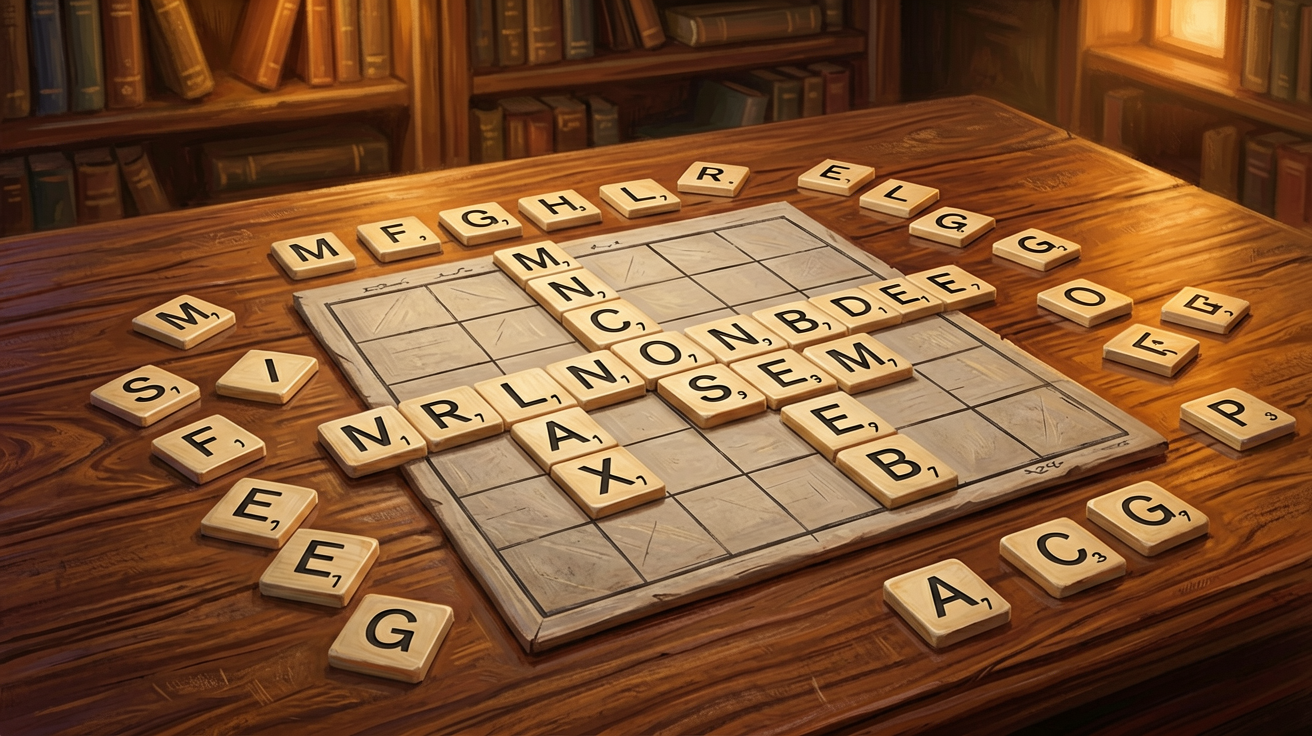
Why Adults Are Falling in Love with Word Puzzle Games (And You Should Too)
Remember when word puzzles were something your grandparents did over morning coffee with a newspaper and a pencil? Times have changed. In 2026, word puzzle games for adults have become one of the most popular forms of entertainment and mental exercise across all age groups. From busy professionals to stay-at-home parents, people are discovering that a daily dose of word puzzles isn't just fun—it's genuinely good for your brain.
The shift is real. Mobile app stores are flooded with word games, and the daily ritual of solving a puzzle has replaced mindless social media scrolling for millions. But what's driving this trend? And more importantly, why should you, as an adult with limited free time, care about word puzzle games?
Let's dive into the world of fun word games online free and discover why they've become the go-to brain workout for adults everywhere.
The Cognitive Appeal: Why Adult Brains Crave Word Puzzles
Adult life is mentally demanding. Between work deadlines, family responsibilities, and the constant information overload of modern life, your brain is running a marathon every single day. But here's the thing—not all mental activity is created equal. Passive scrolling through social media or watching TV doesn't challenge your brain in the way that active problem-solving does.
Word puzzle games for adults engage multiple cognitive functions simultaneously. When you're trying to figure out a crossword clue, you're activating your memory (retrieving vocabulary and facts), your pattern recognition (identifying word structures), and your executive function (planning which clues to tackle first). It's like a full-body workout for your mind.
Research in neuroscience has shown that regular engagement with word puzzles can help maintain cognitive function as we age. A landmark study published in the New England Journal of Medicine found that people who did crossword puzzles regularly delayed the onset of memory decline by an average of 2.5 years. That's significant, and it's one of the reasons why word brain teasers daily have become a recommended habit for adults over 40.
If you're looking for a comprehensive collection of daily puzzles, check out the variety of word puzzle games on WordleLike that are designed specifically for adult players who want more than just a casual distraction.
Not All Word Games Are Created Equal: What Makes a Great Adult Word Puzzle
Let's be honest—not every word puzzle game is worth your time. Some are too simplistic (designed for children), while others are frustratingly obscure (designed for professional crossword champions). The sweet spot for adults is a game that challenges without overwhelming, teaches without lecturing, and fits into a busy schedule without demanding an hour of commitment.
Here's what makes a word puzzle game truly great for adult players:
Smart difficulty curve. The best word puzzle games free online start easy enough to build confidence, then gradually introduce harder challenges. This keeps your brain engaged without hitting a frustration wall. Games like Word Hurdle on WordleLike excel at this—they're accessible to beginners but have enough depth to keep experienced players coming back.
Variety of puzzle types. Doing the same type of puzzle every day can get boring, no matter how good it is. The best platforms offer a mix of crosswords, anagrams, word searches, and code-breaking puzzles. This variety ensures that you're exercising different parts of your brain, and it keeps the experience fresh.
Quick sessions. Adults don't have hours to dedicate to puzzles. A great word puzzle game respects your time—you should be able to complete a satisfying session in 5-10 minutes. That's what makes daily puzzles so appealing. You can do one during your coffee break, while waiting for a meeting to start, or before bed as a wind-down activity.
Social features. One of the most addictive aspects of word puzzle games is comparing results with friends. The competitive element—even if you're only competing against your own best score—adds motivation and engagement. Many adults find that sharing their puzzle results on social media creates a sense of community around a solitary activity.
For a deeper dive into how modern word games are structured, take a look at how WordleLike's daily puzzles work and why they've become so popular among adult players.
The Best Types of Word Puzzle Games for Adults
The world of word puzzles is vast, and different types appeal to different personalities and skill levels. Here's a breakdown of the most popular categories and why they work for adults:
Word guessing games. The genre exploded when Wordle took the world by storm, and it's still going strong. In these games, you try to guess a secret word within a limited number of attempts, with feedback on each letter's correctness. They're quick, satisfying, and surprisingly addictive. Games like this are the perfect entry point for adults who haven't done word puzzles since school.
Crossword puzzles. The classic for a reason. Modern crosswords have evolved beyond the stuffy newspaper version, with themed puzzles and creative clues that make solving feel like detective work. Mini crosswords are particularly popular among busy adults—you can finish one in under five minutes.
Anagram and word-building games. These puzzles challenge you to rearrange letters to form words, often against a timer. They're fantastic for improving vocabulary and mental flexibility, and they tap into the same brain circuits that make Scrabble so beloved.
Word searches. Don't underestimate the humble word search. Modern digital versions have elevated the format with timed challenges, hidden bonus words, and themed categories that make them far more engaging than the paper versions you remember from childhood.
Brain teasers and riddles. For adults who love a mental challenge, word-based brain teasers combine lateral thinking with language skills. These puzzles often require you to think outside the box, making them excellent for creative problem-solving skills that transfer to real-world situations.
If you're ready to explore, our curated list of the best word games for adults can help you find the perfect puzzle for your personality and schedule.
Building a Daily Word Puzzle Habit That Sticks
The benefits of word puzzles compound over time, but consistency is key. Here's how to build a daily habit that you'll actually stick with, not abandon after a week:
Start small. Don't try to do three different puzzles on day one. Pick one game, commit to five minutes a day, and do it for two weeks before adding anything new. The goal is to make the habit automatic before you expand it.
Stack it onto an existing habit. The most effective way to build any new habit is to attach it to something you already do daily. Morning coffee? Stack your puzzle time there. Lunch break? Do one puzzle before eating. Commute? Perfect time for a quick game. The existing habit acts as a trigger, making it much harder to forget or skip your puzzle time.
Track your streak. Humans are motivated by streaks—there's something deeply satisfying about seeing a "7-day streak" or "30-day streak" counter. Use a platform that tracks your progress, or keep a simple log in your notes app. When you've invested 30 days in a row, you'll be far less likely to break the chain.
Vary your puzzle types. Once the habit is established, start rotating through different puzzle types. Monday could be a word guess, Tuesday a crossword, Wednesday an anagram challenge, and so on. This keeps your brain adapting to new challenges and prevents the boredom that kills most habits.
Looking for a place to start? Visit WordleLike to try our daily word puzzles—they're designed to fit into any schedule and adapt to your skill level as you improve.
Common Mistakes Adults Make (And How to Avoid Them)
Even smart adults make predictable mistakes when they start getting serious about word puzzles. Here's what to watch out for:
Overthinking the clues. Adult brains are wired for complex problem-solving, but sometimes the answer is simpler than you think. If you've been staring at a clue for more than 30 seconds, take a breath and consider the most obvious answer first. Often, that's exactly right.
Playing only one type of puzzle. It's comfortable to stick with what you know, but your brain benefits most from variety. If you only do crosswords, you're training specific neural pathways while neglecting others. Mix in anagrams, word searches, and brain teasers to get a full mental workout.
Comparing yourself to others. Social comparison is the enemy of enjoyment. Your friend might solve puzzles in half the time, but that doesn't matter. The value of word puzzles is personal—it's about your brain, your progress, and your enjoyment. Focus on improving your own times and scores, not competing with others.
Giving up too quickly. Some puzzles are genuinely hard, and that's okay. If you can't solve a puzzle, put it down and come back to it later. Your brain continues working on problems subconsciously, and you'll often find that a clue that seemed impossible makes perfect sense after a break.
Final Thoughts: Why Now Is the Perfect Time to Start
The world of word puzzle games for adults has never been more accessible, more varied, or more fun. With free online platforms offering daily puzzles, social features for sharing results with friends, and a supportive community of fellow puzzle enthusiasts, there's no barrier to entry.
Whether you're looking for a quick brain training session during your morning coffee, a challenging puzzle to unwind with after work, or a social activity to share with friends and family, the perfect word puzzle game is waiting for you.
Start today. Your brain will thank you.
Recommended Reading
If you enjoyed this article, you might also like:


评论
发表评论